

White people are WEIRD
How a medieval church's obsession with marriage accidentally rewired human psychology and why it matters for everything from capitalism to your sense of self

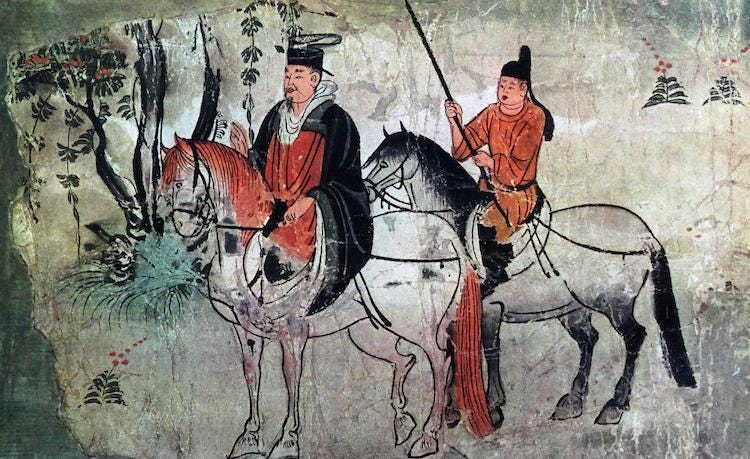
Imagine you could pluck an ordinary person off the street in Melbourne, Munich or Minneapolis and drop them, language barrier magically dissolved into the middle of Tang dynasty China or a highland village in Papua New Guinea. You might expect culture shock, strange foods, strange gods, strange manners. What you might not expect is that the deepest shock would run in the other direction. The people around your time-traveller would find them profoundly strange. Not for their clothes or accent, but for the way their mind works.
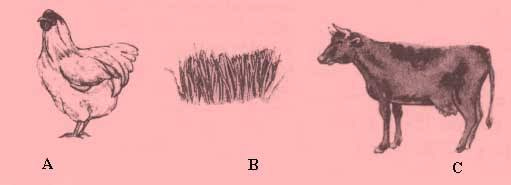
Ask this modern Westerner to describe themselves, and they will tell you about their attributes and achievements: “I’m curious, I’m a runner, I work in logistics.” Almost everyone else who has ever lived would answer with relationships and roles: “I am the son of so-and-so, of such-and-such a clan, from this village.” Ask the Westerner whether they would lie in court to protect a friend who caused a car accident, and they will hesitate, squirm, and probably say no, the rule is the rule. In most societies across most of history, the answer is obvious and immediate: of course you protect your friend; what kind of monster betrays their own people to an abstraction? Show the Westerner a picture of a cow, a chicken and some grass and ask which two belong together, and they’ll pair the cow with the chicken - both animals, same category. Most people elsewhere pair the cow with the grass, because cows eat grass; the relationship matters more than the category.
These are differences in perception, in moral reasoning, in the architecture of the self. And they raise a question that is one of the biggest in all of human history: why are Western people, statistically speaking, on dozens of measurable psychological dimensions, such outliers among humanity, both present and past?

In 2020, the Harvard evolutionary anthropologist Joseph Henrich published a 680-page attempt at an answer, The WEIRDest People in the World: How the West Became Psychologically Peculiar and Particularly Prosperous. His thesis is audacious, counterintuitive, and one of the most interesting big ideas of the past few decades. It goes roughly like this, beginning around 1,500 years ago, the branch of Christianity that became the Roman Catholic Church waged a centuries-long campaign against the extended family. It banned cousin marriage, polygamy, arranged clan alliances, and eventually even marriage to in-laws and god-kin. Nobody intended what came next. By slowly dissolving the dense webs of kinship that had organised human life since the invention of agriculture, the Church inadvertently forced Europeans to build their lives around something new: voluntary relationships with strangers. Over dozens of generations, that new social world reshaped psychology itself, making people more individualistic, more trusting of strangers, more rule-following, more analytical. And that peculiar psychology, in turn, became the soil in which markets, science, universal law and democracy could grow.
If Henrich is right, the modern world is, in a sense, the unintended consequence of a marriage policy.
Part I: The people who mistook themselves for humanity
The story begins in a psychology lab, or rather, in thousands of them.
For most of the twentieth century, experimental psychology and behavioural economics operated on the assumption that a human mind is a human mind. If you wanted to study perception, memory, fairness or moral reasoning, you could recruit whoever was cheapest and closest, which in practice meant undergraduates at Western universities. The findings would then be published as facts about “human psychology,” full stop. One review found that a startling proportion of subjects in top psychology journals were American college students, arguably the most unrepresentative sample of our species you could design if you tried.
In 2010, Henrich and two colleagues, Steven Heine and Ara Norenzayan, published a paper politely detonating this assumption. Its title asked, “The weirdest people in the world?” and it introduced the acronym that stuck. WEIRD stands for Western, Educated, Industrialised, Rich and Democratic. The paper’s message was that WEIRD people are not a neutral baseline for humanity. On measure after measure, they sit at the extreme end of the global distribution. Psychology had been doing something like studying penguins and publishing the results as “bird flight.”
The evidence had been accumulating for years, much of it from a research programme Henrich himself helped run, taking the games of experimental economics out of the lab and into villages, rainforests and savannahs around the world.
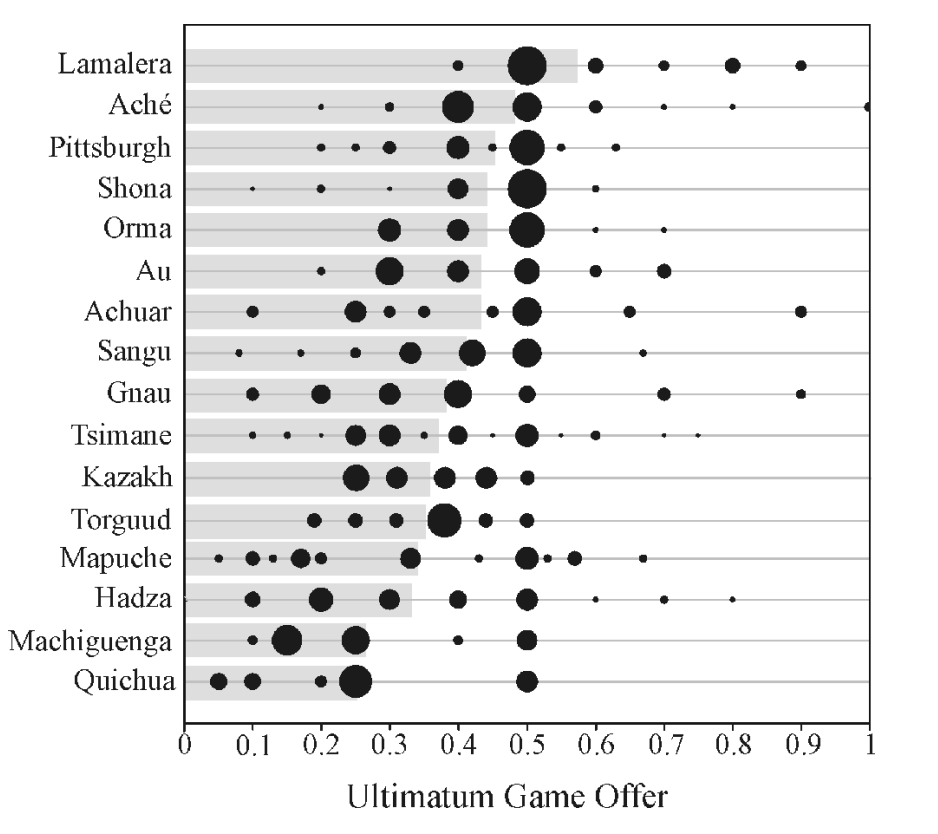
Consider the Ultimatum Game, a deceptively simple experiment. Two anonymous strangers are paired. The first is given a sum of money, say, a day’s wages and must offer some portion to the second. The second player can accept the split, or reject it, in which case both players get nothing. Pure economic logic says the second player should accept any offer above zero (free money is free money), and the first player, knowing this, should offer a pittance. When the game was played with Western students, that’s not what happened, proposers typically offered close to half, and responders angrily rejected offers below about a third, paying real money for the pleasure of punishing stinginess. For years, this was reported as a human universal, proof that Homo sapiens is a fair-minded, spiteful only toward cheaters species.
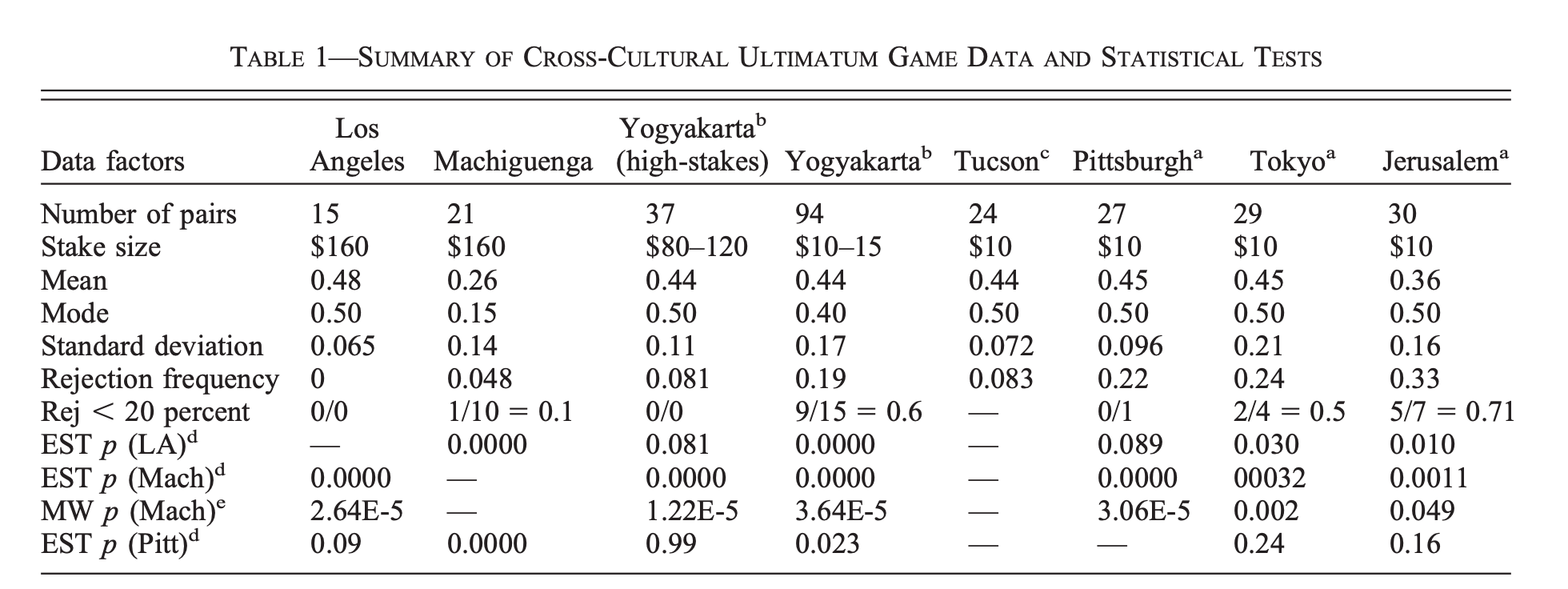
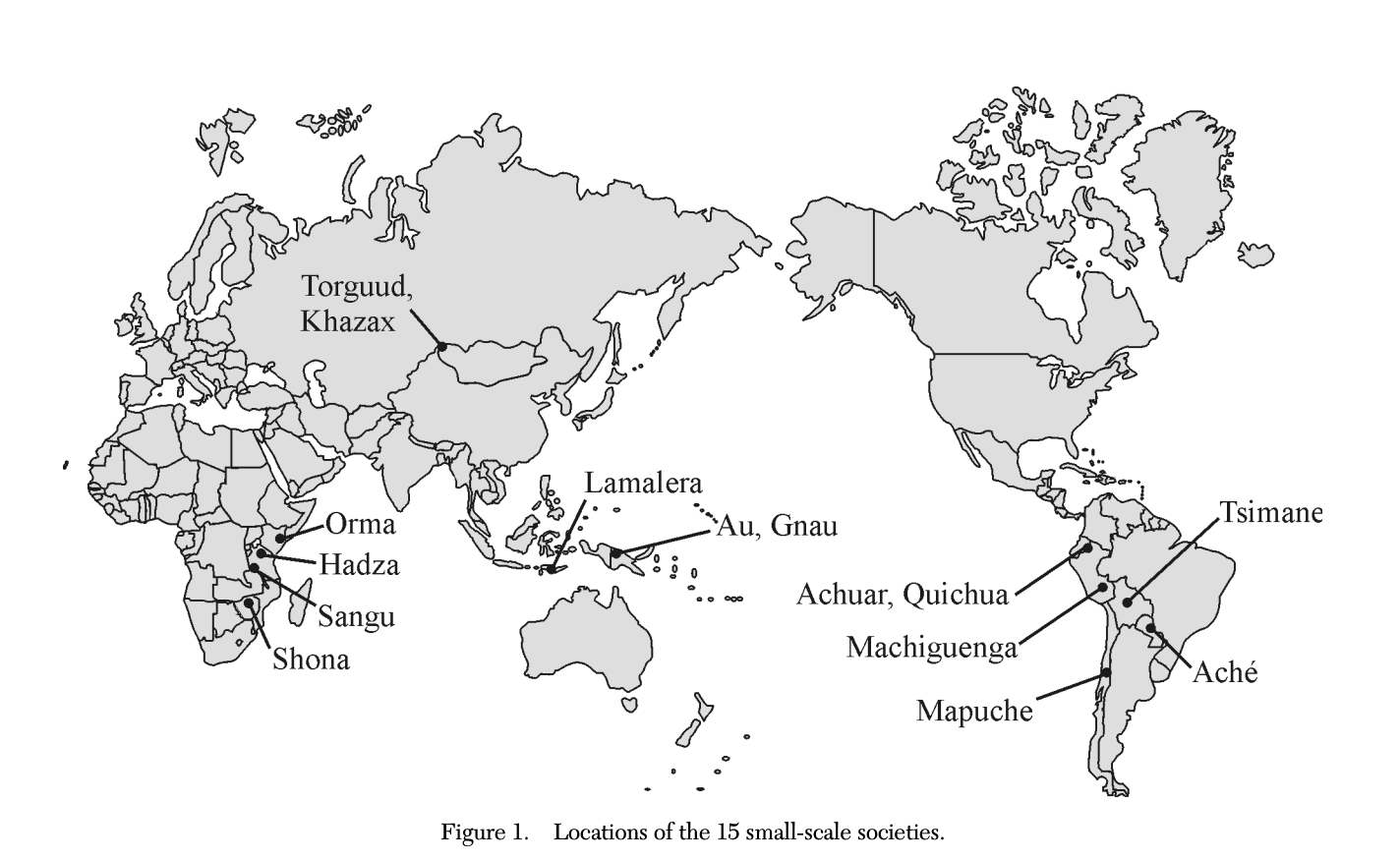
Then Henrich took the game to the Machiguenga, a people living in the Peruvian Amazon in small, independent family clusters. The Machiguenga offered little and accepted almost everything. They found the idea of rejecting free money to punish an anonymous stranger baffling. Why would you burn your own resources over what someone you’ll never meet chooses to do? Subsequent studies across fifteen and more small-scale societies found enormous variation. Some groups, like whale-hunting communities that depend on large-scale cooperation, made generous offers. Others made “hyper-fair” offers of more than half, which were then frequently rejected, apparently because in gift-giving cultures, accepting a large gift creates a burdensome obligation. The supposedly universal fairness instinct turned out to be a cultural dialect, and the WEIRD dialect was among the most unusual: an intuition that anonymous strangers, people with no relationship to you whatsoever, are owed fairness and that norm-violators should be punished even at personal cost.
The pattern repeats across domains. In Solomon Asch’s famous conformity experiments, people were asked to judge line lengths while confederates confidently gave wrong answers; Americans conformed less than almost any population later tested. In tests of “analytic” versus “holistic” cognition, the cow-chicken-grass task above, Westerners obsess over categories and object properties while most others attend to relationships and contexts. Westerners are more prone to the “fundamental attribution error,” explaining behaviour by personal disposition (“he’s lazy”) rather than situation (“his harvest failed”). They trust strangers, institutions and abstract rules to an unusual degree, they feel guilt (a private, internal emotion about violating one’s own standards) more than shame (a public emotion about losing face before others); they are patient, self-focused, and by global and historical standards remarkably indifferent to their second cousins.
WEIRD psychology is impressive but this individualism has a shadow side that Henrich acknowledges: loneliness, weaker family bonds, an obsession with the self. WEIRD psychology is strange and strangeness demands explanation. Human psychological variation of this magnitude, tracking geography and history this closely, isn’t noise. Something happened. What?
Part II: The Church takes an axe to the family tree
To understand Henrich’s answer, you first need to appreciate what he’s claiming was destroyed.
For nearly all of history since agriculture, the fundamental unit of human society was not the individual, and not the nuclear family either. It was the intensive kin group: the clan, the lineage, the tribe. These institutions solved the basic problems of life, security, insurance, justice, marriage, inheritance, old-age care, through dense networks of relatives bound by obligation. Anthropologists have documented their machinery in loving detail, segmentary lineages that could mobilise hundreds of armed cousins in a feud; ancestor cults that made the dead shareholders in the living; corporate ownership of land by the lineage rather than any person; arranged marriages that functioned as treaties between families.
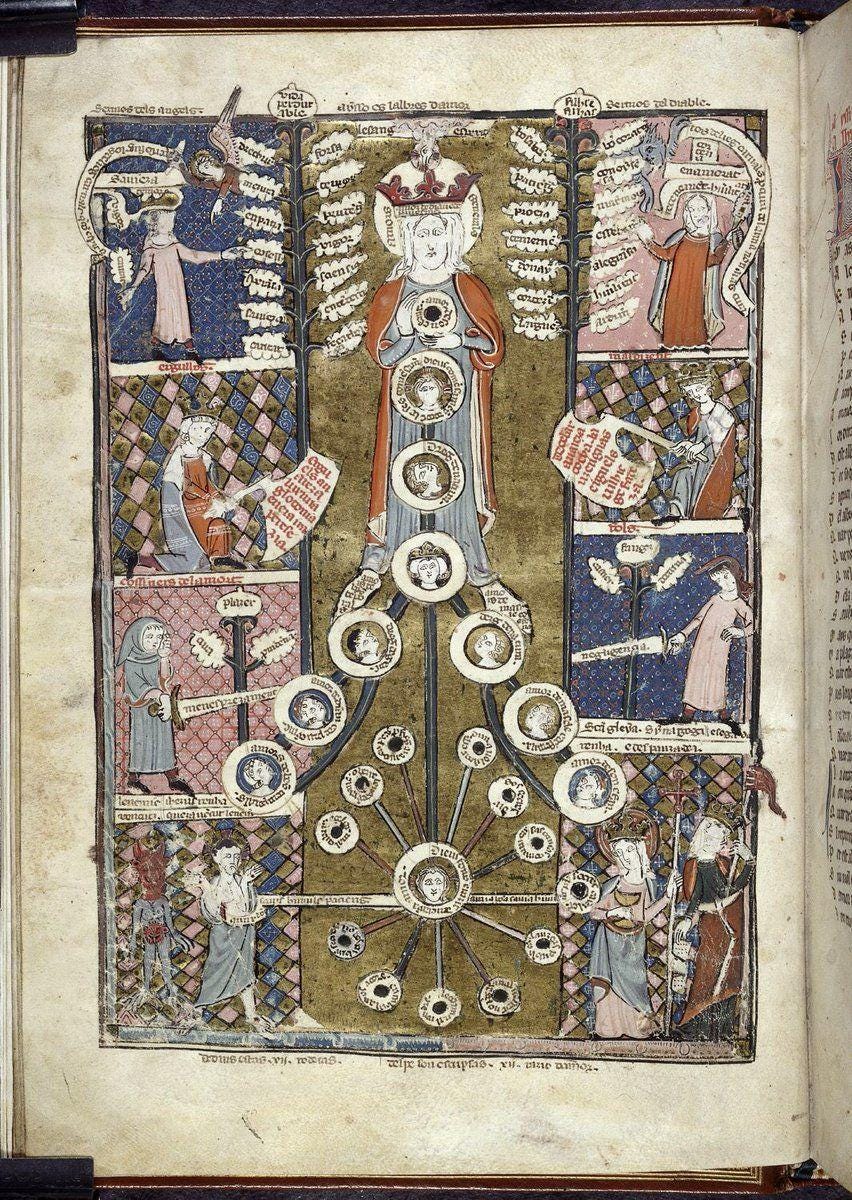
And crucially, these systems were held together by marriage rules that ran precisely opposite to modern Western ones. Cousin marriage was not a taboo but a strategy, often the preferred match, because marrying a cousin kept property, loyalty and alliances inside the group. Polygyny let successful men extend their lineages. Levirate marriage (a widow marrying her dead husband’s brother) kept her, and her children, within the clan. Everyone, everywhere, from China to the Middle East to pre-Christian Europe, lived embedded in some version of this world. The Romans had their patriarchal familia and ancestor rites; the Germanic tribes their kindreds and blood feuds; the Irish their septs. If you had surveyed the world in 300 AD and asked which region would eventually dismantle intensive kinship altogether, Europe would have been an unremarkable pick.
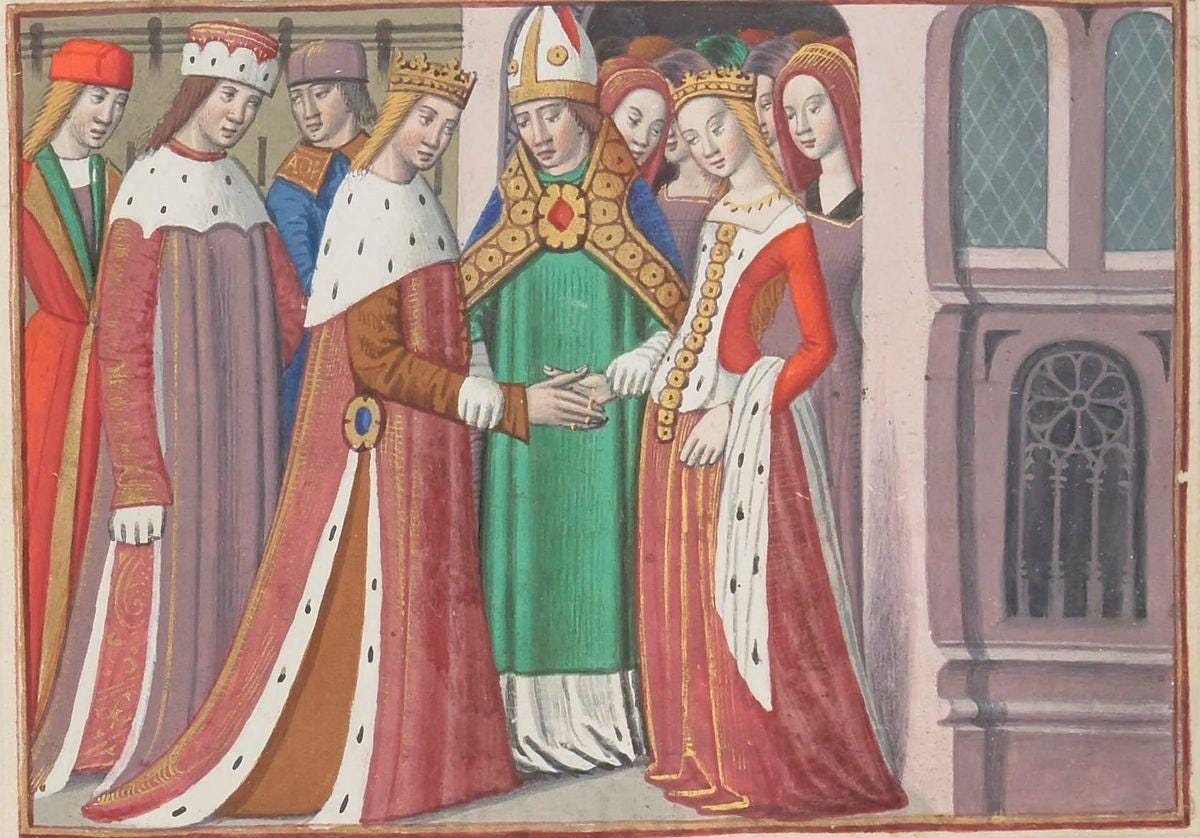
Then, Henrich argues, something unprecedented happened. Beginning around late antiquity and accelerating from roughly 500 to 1200 AD, the Western Church, the branch of Christianity centred on Rome developed what he calls, with deliberate dryness, the Marriage and Family Program, or MFP. It wasn’t a single decree but an accumulating avalanche of prohibitions, promulgated through church councils, papal letters and penitentials over centuries.
The Church banned marriage between cousins and then kept extending the ban outward, at its medieval peak prohibiting marriage out to sixth cousins, a circle so wide that in a small village virtually everyone was off-limits. It banned polygyny, insisting on lifelong monogamy for peasant and king alike (a rule that, notably, elite men everywhere else in the world had always exempted themselves from). It banned levirate and sororate marriage. It counted relatives by marriage and even spiritual kin, godparents, as incestuous matches. It discouraged and marginalised adoption, which in Rome had been a routine tool for securing heirs; for centuries in parts of Western Europe, legal adoption essentially vanished. It insisted that marriage required the consent of the bride and groom themselves, undercutting the ancient practice of families arranging marriages as alliances. It ended easy divorce and remarriage. And it pushed newlyweds toward “neolocal” residence, setting up their own household rather than moving in with a clan compound.
Perhaps most consequentially, the Church transformed inheritance. It promoted individual testaments, the personal will over customary claims of the kindred, and encouraged the pious to leave property to the Church rather than to distant relatives. This was, to put it mildly, not against the Church’s material interests: by some estimates the Church came to own a third of the cultivated land in parts of Western Europe. Henrich is agnostic-to-cynical about motives. Some churchmen sincerely believed cousin marriage was spiritually polluting or, as Pope Gregory the Great suggested in a letter to his missionary in Kent, physically unhealthy for offspring. Others surely noticed that a Church competing with clans for loyalty and legacies did rather well when the clans withered. Cultural evolution, Henrich stresses, doesn’t require anyone to understand what they’re doing. Practices that helped the Church grow and heirless couples, forbidden from adopting or remarrying strategically, produced a steady stream of bequests, were retained and intensified, whatever the stated theology.
What makes this a genuinely strange historical episode is the contrast with every other major religion, including other Christianities. The Eastern Orthodox Church adopted some incest prohibitions, but later, less extensively, and with laxer enforcement. Islam permitted (and in practice often favoured) cousin marriage and polygyny, the Middle East and North Africa remain among the world’s highest cousin-marriage regions today. Judaism, Hinduism, Confucianism and Zoroastrianism all worked with the grain of kinship, sanctifying lineage and ancestor obligations. Only the Western Church spent six or seven centuries systematically at war with the extended family and only Western Europe ended up without one.
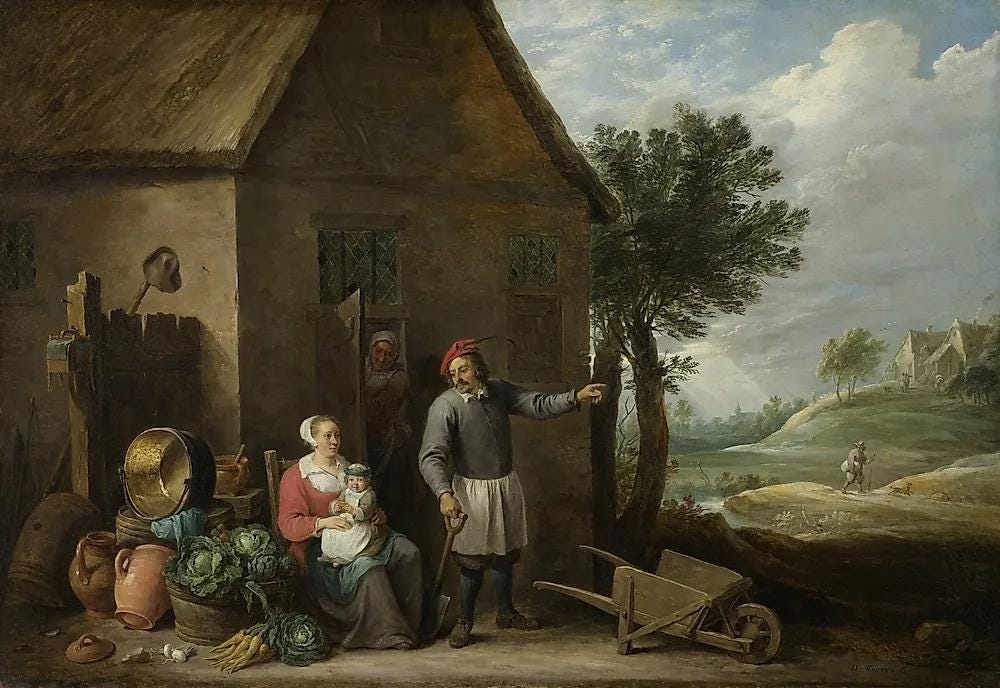
By the High Middle Ages, the results were visible on the ground. European peasants increasingly lived in monogamous nuclear households, married late (often in their mid-twenties), chose their own spouses, worked as servants in strangers’ homes before marrying, and moved away from their parents when they did, the pattern demographers would later call, from parish records, the “European Marriage Pattern,” documented west of an imaginary line running from St Petersburg to Trieste. Clans, in the anthropological sense, simply ceased to exist across most of Western Europe. Europeans came to find cousin marriage viscerally disgusting, an intuition so deep that WEIRD people today assume it’s universal human nature, when it is in fact one of the odder products of their history. Globally, even now, something like one in ten marriages is between cousins; in parts of the world it’s closer to half.
The most striking empirical support for this story arrived in 2019, in a study in Science by Jonathan Schulz, Duman Bahrami-Rad, Jonathan Beauchamp and Henrich. The researchers exploited a natural experiment: the Church didn’t arrive everywhere at once. Bishoprics spread gradually across Europe over a millennium, so different regions received different “dosages” of exposure to the MFP, measured in centuries. The team then correlated Church exposure with the intensity of kin-based institutions (using ethnographic and cousin-marriage data) and with modern psychological measures, individualism, impersonal trust, conformity, creativity, across countries, across European regions, and even among the adult children of immigrants, whose psychology tracks their parents’ homeland’s kinship intensity despite growing up elsewhere. The correlations ran the predicted way at every level. Each additional century under the Western Church predicted meaningfully lower cousin marriage and WEIRDer psychology today. Within Italy, a single country, one language, one modern state, provinces with historically low cousin marriage show more voluntary blood donation, more use of cheques over cash, and higher generalised trust; the historically clannish south shows the reverse, a pattern the political scientist Edward Banfield described in the 1950s as “amoral familism”, trust the family absolutely, and no one else at all.
So, why would dismantling cousin marriage change how people think a thousand years later?
Part III: A world of strangers
Here is the crux of Henrich’s argument, and the logic is more subtle than “the Church made people individualists.”
Start with a thought experiment. You are a young man in a strong clan society, say, a lineage village in imperial China or a tribal district in pre-Islamic Arabia. Your world is given, not chosen. Your spouse will be selected to cement an alliance. Your land is the lineage’s land. Your security against violence is the certainty that your forty male cousins will avenge you. Your old age is guaranteed by sons bound by sacred filial duty. In this world, what psychological traits does life reward? Loyalty above all. Deference to elders. Exquisite sensitivity to your standing within the group, shame, the fear of losing face, is the master emotion. Conformity is safety. Nepotism isn’t corruption, it’s morality. Trusting strangers is stupidity, because strangers sit outside every web of obligation that makes people behave. And there is little premium on cultivating a unique personal identity, because your identity, son, nephew, member of the Li lineage is assigned at birth and non-negotiable.
Now transplant that young man’s descendant into an English or Flemish village around 1200, after centuries of the MFP have done their work. The clan is gone. He must find a wife, by mutual consent, outside his (now nonexistent) kindred, probably from another village. He must find land or a trade. If he wants security, insurance, opportunity, he cannot inherit them from a lineage; he must join things. And medieval Europe, remarkably, was full of things to join because everyone else faced the same problem.
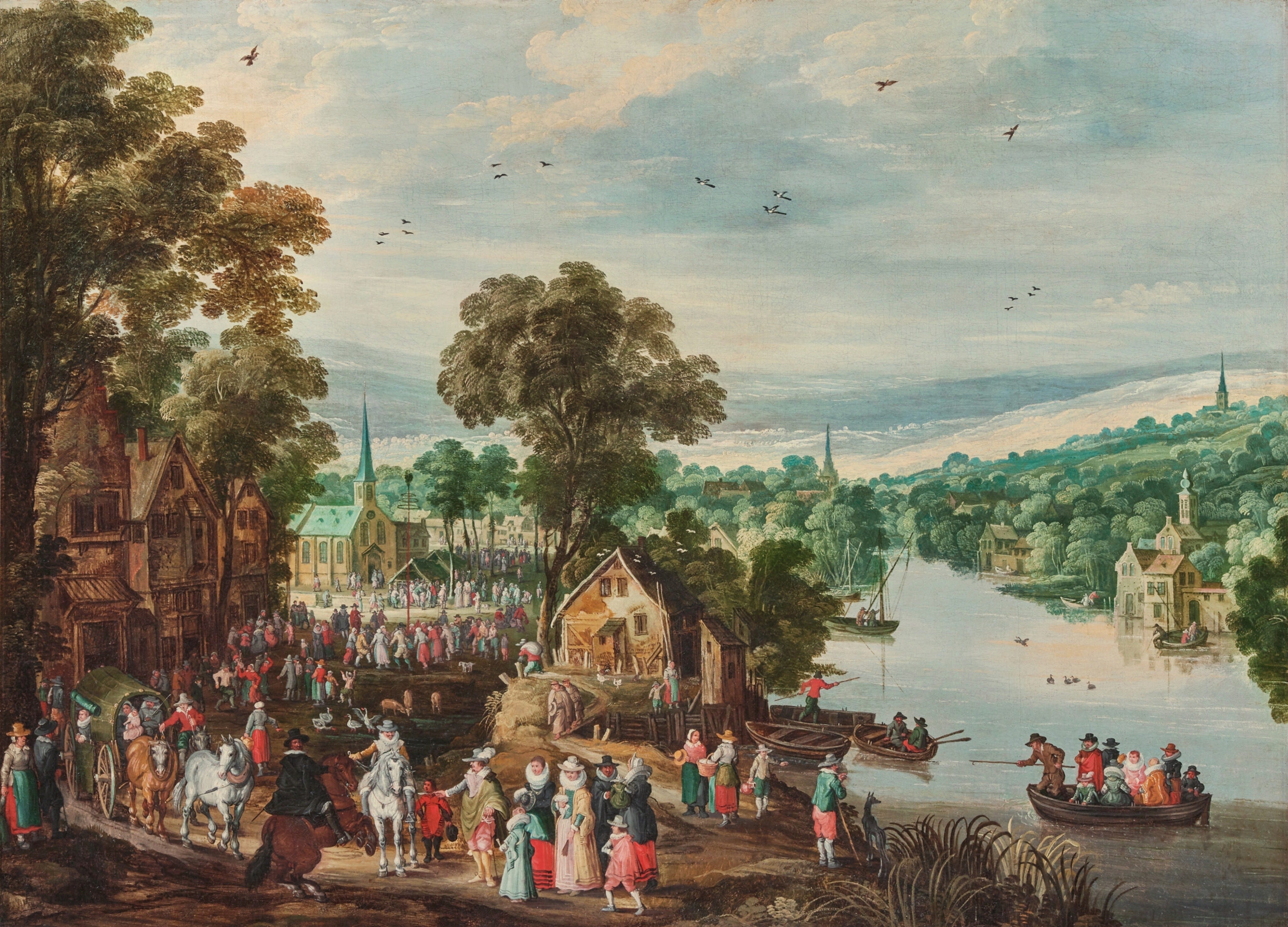
This is the pivot of the whole theory as when kinship stops solving life’s problems, people build voluntary associations to solve them instead, and those associations select for a completely different psychology.
The associations were everywhere in the medieval record. Monasteries, themselves the prototype, deliberately structured as anti-families where individuals renounced kin, chose membership, and lived under a written rule that applied identically to everyone regardless of birth. The Cistercians, to take one order, built a Europe-wide network of hundreds of standardised monasteries that operated like a franchise system, complete with annual audits. Craft and merchant guilds, which pooled risk, trained apprentices, and enforced quality standards among unrelated members. The medieval commune: towns like those of northern Italy, Flanders and the German Hansa, sworn associations of citizens, the word “conjuration,” a swearing-together, tells you what they were, that won charters of self-government. German towns advertised for settlers with the promise encoded in the saying Stadtluft macht frei: town air makes you free, a runaway serf becoming legally free after a year and a day. Universities, Bologna, Paris, Oxford which were simply guilds of masters or students (universitas means “corporation”), and which pioneered the bizarre notion that unrelated scholars could form a self-governing legal person that outlived its members. Merchant networks and eventually chartered companies. Confraternities, communes, leagues, orders, corporations: Western Europe between 1000 and 1500 was an explosion of institutionalised cooperation among non-relatives, on a scale with no clear precedent.
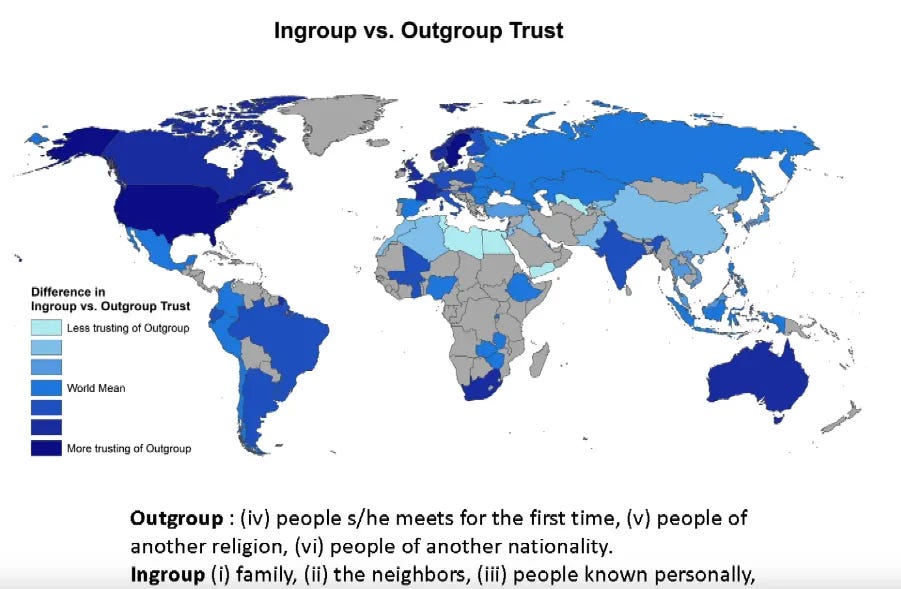
Each of these institutions had to answer a question that clans never face: how do you get strangers to trust each other? The answers they evolved are the deep infrastructure of the modern world. Written rules that apply impersonally to all members. Oaths and contracts. Reputation systems. Elections and representation (the monastic orders and Italian communes were electing officials centuries before modern democracy). Individual rights and obligations attached to the person, not the family. Merit and skill as criteria for membership and advancement, because a guild, unlike a lineage, can choose whom to admit and a guild full of talented strangers beats a workshop full of mediocre nephews.
So, Henrich’s claim is that centuries of living inside such institutions did not merely change how Europeans behaved, it changed, cumulatively and culturally, how they thought and felt. People whose prosperity depended on their reputation among strangers developed impersonal prosociality, honesty and fairness toward anonymous others, because in a world of voluntary association, being known as fair to everyone is what gets you chosen as a partner, an apprentice, a guild brother. Shame (what will people say?) gradually yielded ground to guilt (I broke the rule; I feel bad even though no one saw), because internalised standards travel with you into anonymous interactions where no one is watching. Rule-following became intuitive rather than just prudent: WEIRD people are unusual in feeling that rules bind even when enforcement is absent, and in judging intentions - did he mean to do it? - as central to morality, a luxury of societies where you’re judged as an individual rather than held collectively liable with your kin. Relationships became chosen rather than given, which meant cultivating a distinctive, consistent self, attributes, talents, principles that you carry across contexts became a life strategy. The “self” became a portable individual project.
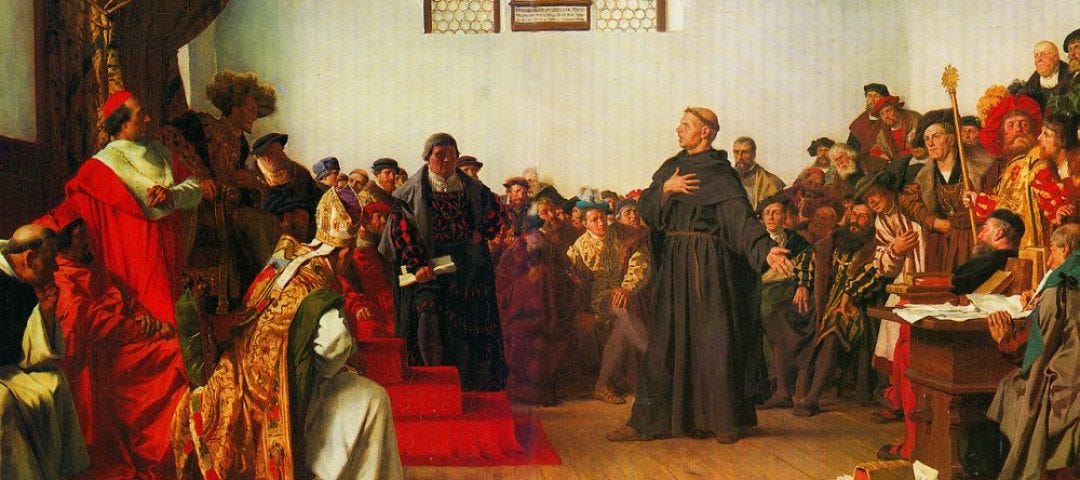
None of this happened to anyone in a single lifetime. That’s the point of cultural evolution: each generation absorbs, from parents and peers and institutions, slightly shifted intuitions, and over thirty or forty generations the shifts compound into a different psychological world. By the time Protestant reformers in the sixteenth century declared that every individual should read scripture and stand alone before God, driving mass literacy in the process, another psychological bombshell, since learning to read literally rewires the brain, they were less inventing WEIRD psychology than codifying what centuries of institutional life had already made intuitive. Henrich likes the summary that the Reformation was WEIRD psychology’s first great political product, not its cause.
Part IV: Different worlds, different minds
It’s worth noting just how deep these psychological differences go, because “individualism” alone undersells it. The differences reach into perception and reasoning, into what people literally notice.
Take the Triad Task, the cow-chicken-grass test mentioned earlier. When psychologists give versions of it around the world, WEIRD populations reliably sort by abstract category (cow and chicken: animals), while most others sort by functional relationship (cow and grass: the cow eats the grass). These answers reflect different default strategies. Analytic thinkers pull objects out of their context, assign them to categories, and reason about their inherent properties. Holistic thinkers keep objects embedded in their relationships and reason about situations and interactions. Show American and Japanese participants an animated aquarium scene, as the psychologist Richard Nisbett and colleagues did, and ask them to describe it: Americans lead with the biggest fish and its attributes; Japanese participants describe the scene, the water, the plants, the relationships among the fish, and later prove better at remembering background elements. Eye-tracking studies suggest the difference begins at the level of where people point their gaze.

Or take moral judgment. The “passenger’s dilemma,” used in cross-cultural management research, asks whether you’d testify falsely to protect a friend who hit a pedestrian while speeding. In some Western countries, over ninety per cent of respondents say the friend has no right to expect false testimony, in more relational societies, majorities say loyalty comes first. WEIRD morality is universalist, the same rules for everyone, friend or stranger which is precisely the morality you’d expect from people whose ancestors spent centuries in institutions where impartial rules were the technology holding strangers together. Relational morality, obligations scale with closeness is precisely what you’d expect where the kin network was the institution. Each side finds the other faintly monstrous: the universalist sees corruption and nepotism, the relationalist sees a person so alienated they’d betray a friend for a legal fiction.
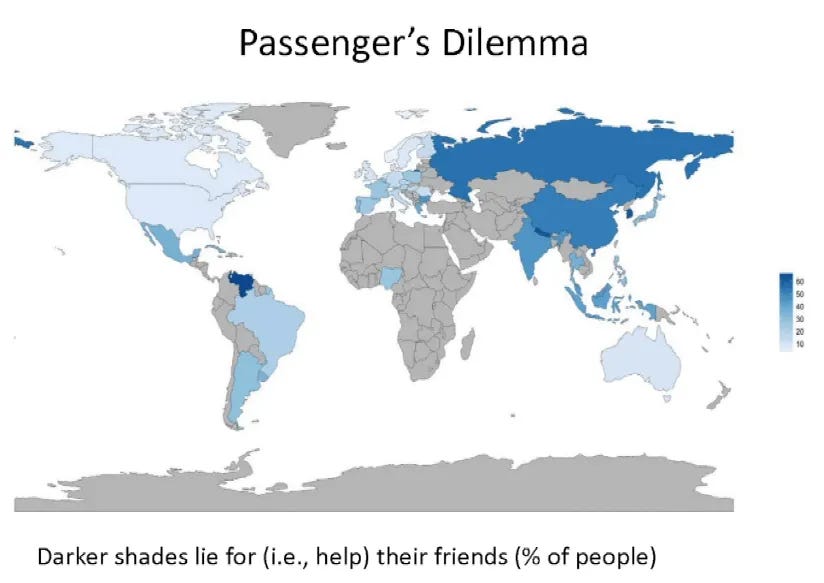
The same logic runs through agency and attribution. WEIRD people, primed by a world of chosen relationships and portable selves, explain outcomes through individual dispositions and intentions, hence both the West’s heroic literature of self-made individuals and its characteristic blind spot, the fundamental attribution error, the reflex of underrating circumstances. They value consistency across contexts (”be true to yourself”), where much of the world values appropriateness to context (a different self for family, work, strangers is not hypocrisy but competence). They experience guilt, self-punishment by internal standard, more than shame, punishment by audience. They are less deferential to elders and tradition, more comfortable with dissent, more (over)confident, and more inclined to see themselves, flatteringly and often inaccurately, as unique.
Henrich’s insists that this whole psychological package is not a matter of genes. I would beg to differ but I’ll leave that for another time.

Conclusion: The mind is younger than we think
Lets return, finally, to our time-traveller, the Melburnian marooned in Tang China, blinking at a world where nobody thinks like him. The conventional lesson of such thought experiments is that other people do things differently. Henrich’s lesson is stranger and goes deeper: other people perceive differently, feel obligation differently, locate the self in a different place and the version of humanity that WEIRD societies mistake for the default is, in the long view, the anomaly. The intuitions that feel most central to a modern Westerner, that you are an individual before you are a relative, that rules bind everyone equally, that strangers deserve fairness, that you must be true to a self you carry across every context are not human nature. They are artefacts, manufactured over roughly forty generations by institutions, beginning, if Henrich is right, with a church’s peculiar war on cousin marriage.
Ultimately, most of the world does not think like us and we ourselves are the WEIRD ones.
All of this is true but the church was just adopting what was already culturally apparent amongst North Sea Germanic peoples, hence why it was contained to only the western Church. The Church was a vessel to be filled with our particulars, rather than the cause of our particulars.
The reason we are like this is because of our sea conquering ways, as it lends itself to the ability for small groups to colonise new lands.
Excellent! One of the best essays I've read this year.