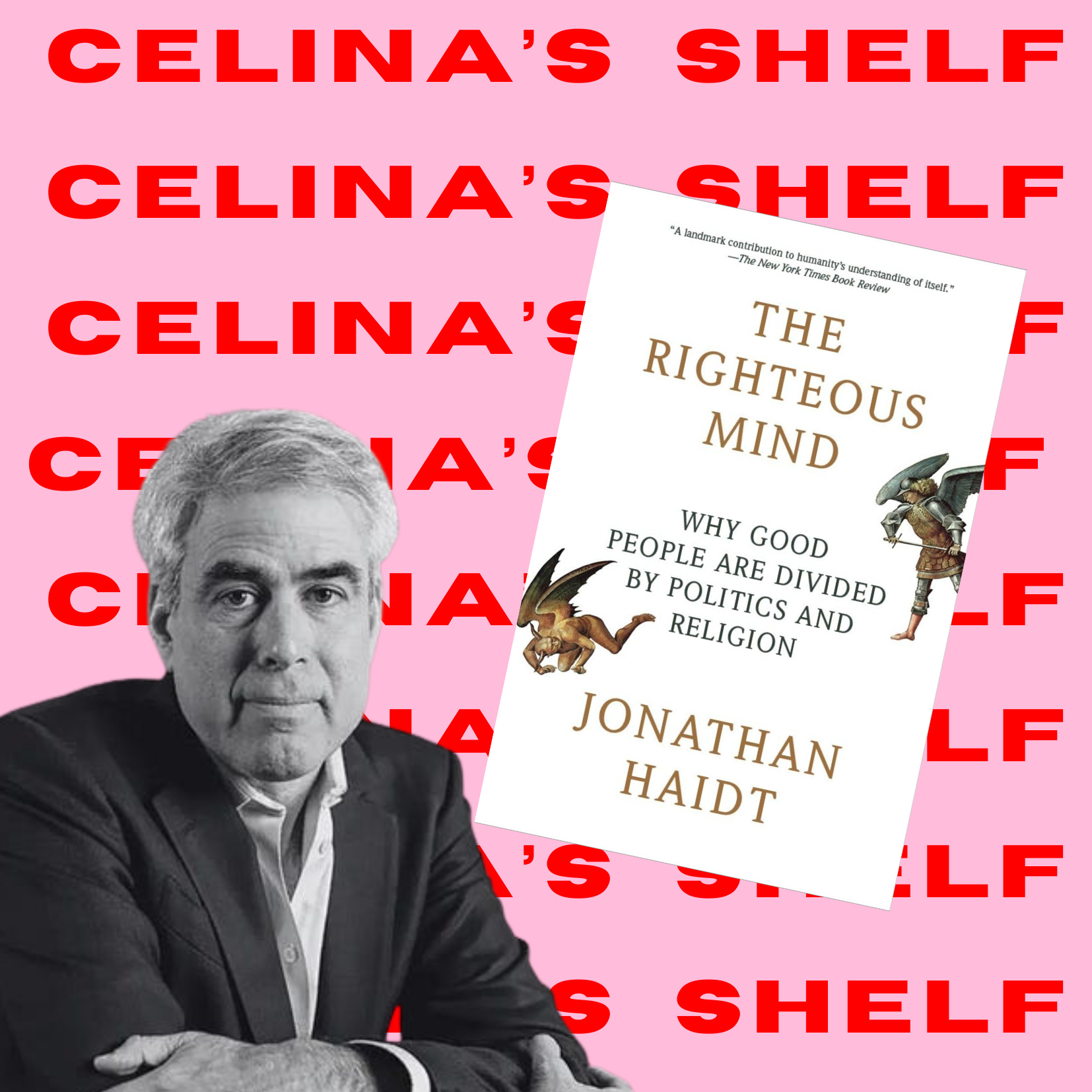
Jonathan Haidt's The Righteous Mind: Why Good People Are Divided by Politics and Religion Review
The West reduced morality to harm and consent, and forgot everything else.

Last week I read a fantastic book, Jonathan Haidt’s The Righteous Mind: Why Good People Are Divided by Politics and Religion, which starts with two disturbing thought experiments:
A family’s dog is tragically killed by a car in front of their house. The family, having heard that dog meat is a delicacy, retrieves the animal’s body, butchers it, cooks it, and eats it for dinner. Nobody sees them do this, and the animal suffered no pain at their hands.
In another scenario, a man visits a supermarket once a week and purchases a dead, oven-ready chicken. Before cooking the bird, he engages in sexual intercourse with the carcass. Afterwards, he cooks the animal and eats it in the absolute privacy of his own home.
The reader is left to consider a seemingly simple question: Are these actions morally wrong?
For the typical educated Westerner, the immediate and visceral response to both scenarios is one of stomach-churning disgust (it was for me anyways). Yet, when pressed by psychologists to articulate precisely why these acts constitute a moral violation, a strange cognitive paralysis sets in.
This phenomenon, famously diagnosed by the moral psychologist Jonathan Haidt as “moral dumbfounding,” exposes a glitch in the modern intellectual operating system. Was anyone harmed? No. Was the animal already dead? Yes. Was there a violation of property rights, or an absence of consent? No, the dog belonged to the family, and the man legally purchased the chicken.
The modern liberal mind, extensively trained to detect oppression, physical harm, and non-consensual power dynamics, frantically searches its moral database for a justification to condemn these acts. Finding no rational argument that fits the accepted parameters, the typical response retreats into a hesitant and nuanced concession: the behaviour is undoubtedly disgusting, perhaps indicative of poor mental health, but one cannot strictly call it immoral.
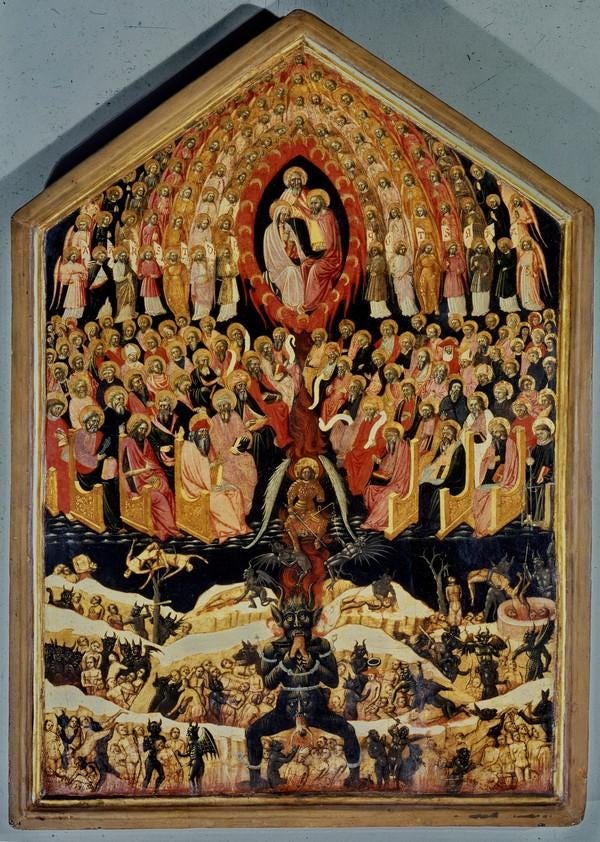
This tension between a intuitive revulsion and a conscious, rationalist framework that struggles to validate it, exposes a significant historical anomaly. Modern Western society has radically redefined the boundaries of the moral universe. In the contemporary paradigm, morality has been reduced to a transactional calculus of harm, fairness, individual rights, and mutual consent. Yet, for almost every other society throughout human history, the moral domain was immeasurably thicker. It encompassed loyalty, duty, sacredness, purity, respect for authority, social obligation, family responsibility, religious tradition, and cultural continuity. To the modern Westerner, these older concepts have been demoted to lifestyle preferences.
In this article I will argue that the reduction of morality to questions of harm and consent is a historical aberration. The West’s attempt to build a civilisation solely on these thin foundations has left it spiritually impoverished, structurally fragile, and acutely vulnerable to the return of repressed sacred values.